Getting what you need from Tour Design Media couldn’t be easier, just shoot a quick text to 610-636-5848, anytime, day or night. Whether you’re looking for clean, high-quality images, detailed floor plans, or full drone photo and video coverage, we’ve got it covered from start to finish. No forms, no hassle—just tell us what you need and we’ll get right back to you fast, ready to make it happen.
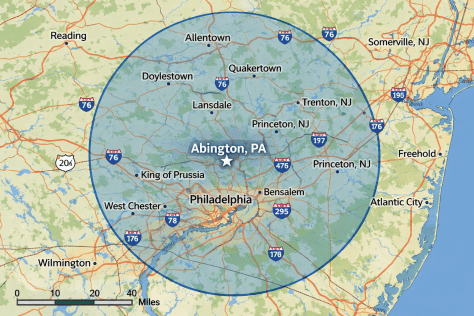
We are based in Abington, Pa, and we go anywhere in the circle below including the Jersey shore.
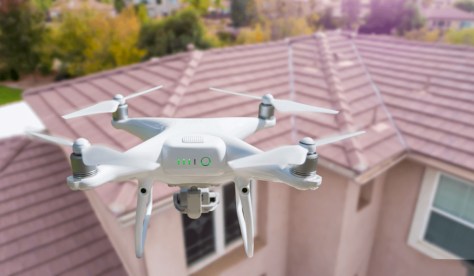
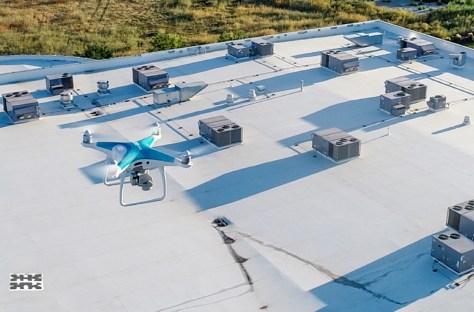
Drone usage for insurance and building inspections has become increasingly important due to its efficiency, safety, and ability to capture detailed data. Here’s a breakdown of the need and benefits:
1. Enhanced Safety
Reduced risk to personnel: Inspectors avoid climbing ladders, scaffolding, or navigating hazardous rooftops.
Access to hard-to-reach areas: Drones can easily reach high, steep, or unstable structures (e.g., tall buildings, towers, damaged roofs).
2. Cost Efficiency
Lower inspection costs: Eliminates the need for heavy equipment like cranes or scaffolding.
Faster turnaround: Drones can cover large or complex sites quickly, reducing labor time.
3. High-Quality Visual Data
Detailed imaging: High-resolution cameras and thermal sensors provide clear visuals for assessing damage or wear.
Live feeds and recording: Insurers and inspectors can observe real-time footage or review later for better decision-making.
4. Improved Documentation
Accurate records: GPS-tagged imagery and video create a visual record of building conditions.
Supports claims: Visual evidence helps insurance companies validate and process claims more efficiently.
5. Rapid Disaster Assessment
Post-event inspections: After events like storms, fires, or earthquakes, drones can quickly assess damage without endangering personnel.
Triage large areas: Ideal for wide-scale assessments following natural disasters.
6. Regulatory and Maintenance Compliance
Routine checks: Drones help ensure ongoing compliance with safety codes and maintenance schedules.
Detect minor issues early: Prevents escalation by identifying cracks, leaks, or structural weaknesses early.
Use Cases in Practice
Insurance claims verification (e.g., hail or storm damage)
Construction progress monitoring
Facade and roof inspections
Solar panel checks
Post-fire or flood assessments
Drones are transforming how building inspections and insurance assessments are conducted—making them safer, faster, more accurate, and cost-effective. As technology continues to improve, their role in these sectors will only grow.
Feel free to send us a message using the contact form below, or, email us and we will get back to you immediately for any need you may have.
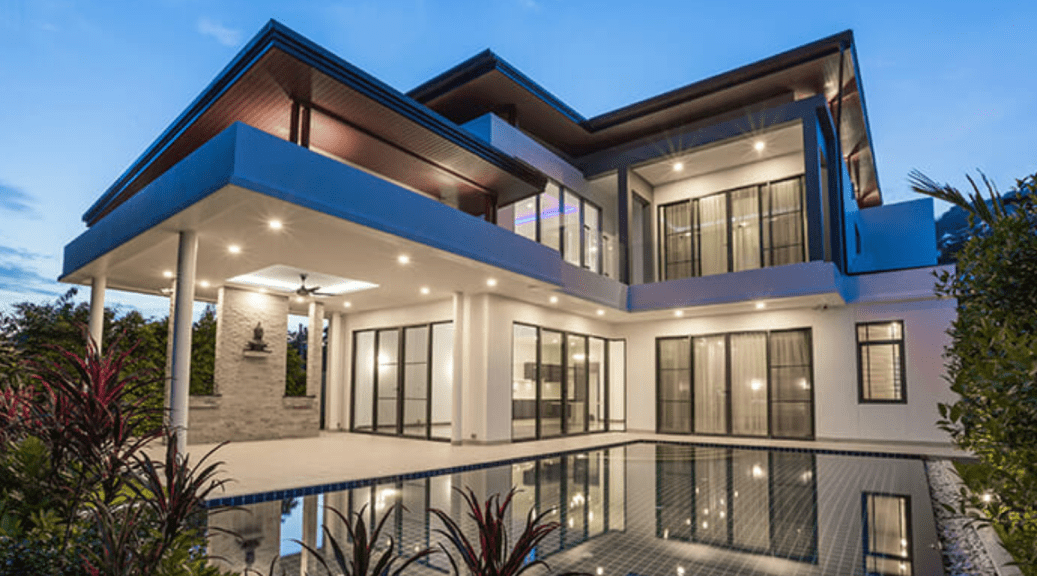
What is High-resolution real estate photography? It refers to professionally captured images of a property using high-quality cameras and techniques that produce sharp, detailed, and visually appealing photos. These images are typically taken with DSLR or mirrorless cameras, often using wide-angle lenses, proper lighting, HDR (High Dynamic Range) processing, and careful post-editing to enhance colors, contrast, and clarity.
✅ Key Features of High-Resolution Real Estate Photography:
Image clarity: Crisp and clear images with fine detail.
Accurate color representation: True-to-life colors that reflect the actual feel of the space.
Wide-angle perspective: Captures more of the room in one shot, giving buyers a better sense of layout and space.
Professional composition: Angles and lighting are chosen to highlight the home’s best features.
Staging and styling: Often includes thoughtful arrangement or virtual staging to make the home feel more inviting.
💡 How It Benefits a Realtor’s Effort to Sell a Home:
First Impressions Matter
Over 90% of home buyers start their search online. High-quality images grab attention immediately and create a strong first impression.
Poor or blurry photos can cause potential buyers to skip the listing altogether.
Increased Online Engagement
Listings with professional photos receive significantly more views and shares on platforms like Zillow, Realtor.com, MLS, and social media.
Faster Sales
Homes with high-res professional photos tend to sell faster. Buyers are more likely to schedule showings if the photos inspire confidence and interest.
Higher Sale Price
Professionally photographed listings often sell for more. They communicate higher value, professionalism, and pride in the home.
Branding for the Realtor
Consistently using high-quality visuals helps build a realtor’s personal brand and reputation for quality and care, attracting future sellers and buyers.
Better Marketing Materials
High-res images can be used in brochures, mailers, online ads, and virtual tours, helping to create a polished, multi-channel marketing campaign.
High-resolution real estate photography is not just about pretty pictures—it’s a strategic marketing tool. It helps properties stand out in a competitive market, draws in serious buyers, and boosts the perceived value of the home. For realtors, it’s an investment that often yields faster sales, better offers, and a stronger personal brand.
Feel free to send us a message using the contact form below, or, email us.
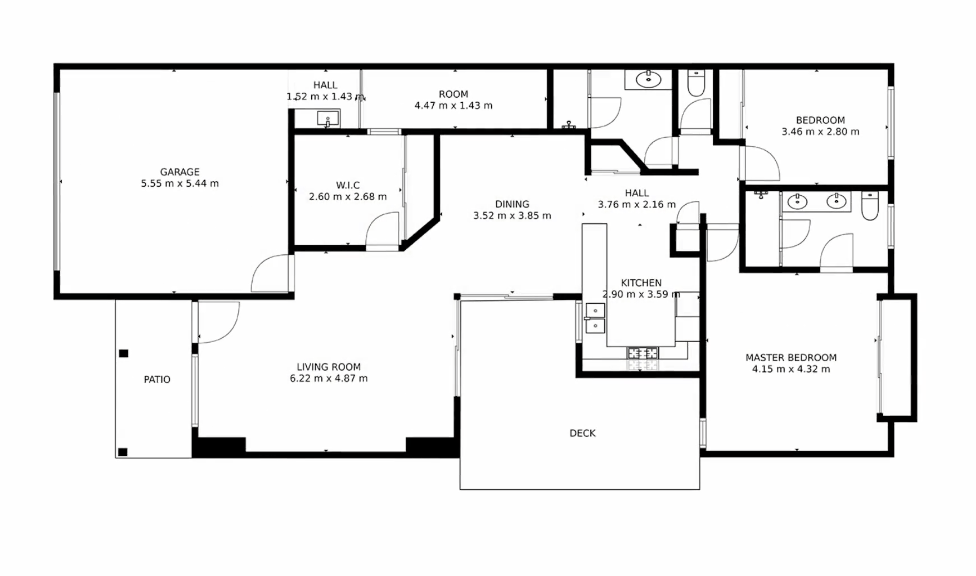
A digital floor plan is a visual layout of a home that shows the arrangement, dimensions, and flow of rooms from a top-down perspective. When combined with real estate photography, it becomes a powerful marketing tool that enhances the buyer experience and increases the likelihood of a sale.
🏠 What Is a Digital Floor Plan in Real Estate?
A graphical representation of a property’s layout.
Often includes room labels, measurements, walls, doors, and windows.
Can be 2D or 3D, and sometimes interactive (e.g. clickable or part of a virtual tour).
Frequently created using laser measurement tools, photography overlays, or CAD software.
✅ Why It’s a Great Tool for Real Estate Photography
1. Provides Context for the Photos
Helps buyers understand where each photographed room is located within the home.
Clarifies how rooms connect and the overall flow of the space.
Makes interior photos more meaningful—buyers can mentally “place” each image.
2. Enhances Online Listings
Listings with floor plans are more informative and engaging.
They increase click-through rates and time spent viewing the property online.
Digital floor plans paired with high-res photos offer a complete visual package.
3. Supports Remote or Out-of-Town Buyers
Helps buyers who can’t visit in person get a realistic sense of the space.
Paired with virtual tours or 3D walkthroughs, floor plans increase buyer confidence.
4. Highlights the Home’s Potential
Buyers can visualize how they’d use the space—or even remodel it.
Great for showcasing open-concept layouts, flexible spaces, or potential additions.
5. Differentiates the Listing
Not all listings include floor plans. Adding one can make your property stand out in a competitive market.
Signals professionalism and attention to detail, which reflects well on the realtor and seller.
💡 How It Helps Sell a Home Faster
Benefit
Impact on Selling a Home
Better space visualization
Reduces uncertainty, encourages showings
Enhances online engagement
Keeps buyers on the listing longer
Appeals to serious buyers
Gives critical info early in the buying process
Complements photography
Creates a more complete and trustworthy listing
Saves time for everyone
Filters out buyers who need specific layouts
📈 BONUS: Statistics That Back It Up
Listings with floor plans generate up to 30% more interest online.
A study by Rightmove (UK) showed 1 in 5 buyers would ignore a listing that didn’t include a floor plan.
✅
A digital floor plan is more than just a diagram—it’s a visual storytelling tool. When combined with high-quality photography, it gives buyers a full picture of the property’s layout, flow, and potential. For realtors, it builds credibility, increases engagement, and helps move listings faster by answering one of the most common buyer questions: “How does the space actually fit together?”
Feel free to send us a message using the contact form below, or, email us.












 Jack McIntyre Photography