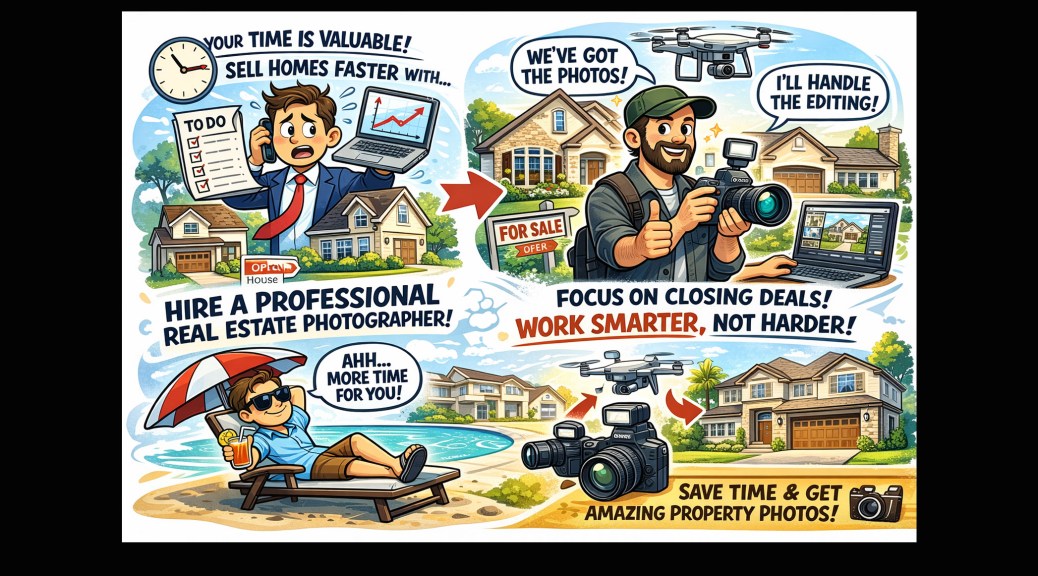
In today’s fast-moving real estate market, realtors and construction companies, and other types of companies with properties & assets in general succeed by working smarter—not harder—and that means trusting specialists to do what they do best. Partnering with a professional real estate photographer for property photos, drone imagery, and post-shoot editing ensures listings are captured with the quality, consistency, and visual impact needed to stand out. Instead of spending valuable hours trying to shoot and edit media themselves, agents and builders can stay focused on higher-value priorities like client relationships, negotiations, project management, and closing deals. Professional imagery not only elevates marketing and attracts more serious buyers, it also frees up time and energy where it matters most—growing the business and delivering a better overall experience for clients.
If you ever need photography services for a home or construction site, scheduled or immediate, email me at tourdesignmedia@gmail.com or call / text 610-636-5848. I will ALWAYS get back to you within minutes.
As I shoot homes, construction sites, buildings, and more, I make note of what my customers request the most. By far, the top two services are HDR Photography & Floorplans. So, we asked ourselves what kind of plan we could put together to be really attractive to our realtor friends, while offering amazing value. We came up with this:
THE 2026 PLAN:
As many HDR Images as needed, no limits.
A Floorplan.
5 Drone images of the property.
$175.00 Flat. No more, no less. Same day image delivery, the Floorplan delivers the following day.
________________________________________
You can still do the HDR IMAGES only at $150.00 flat, nothing has changed there. By keeping it simple, we feel that this is a greatly needed service without killing your budget while providing just what you need to really show off your listing.
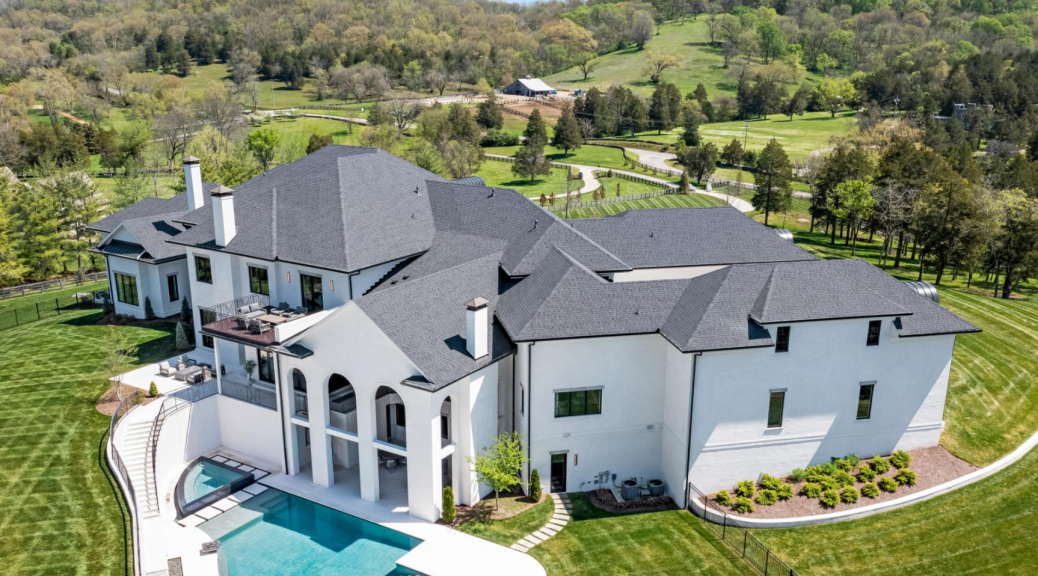
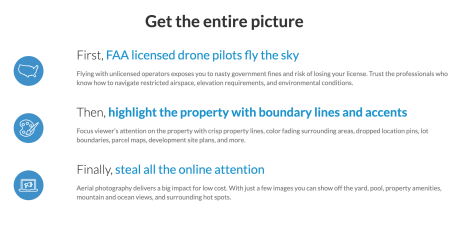
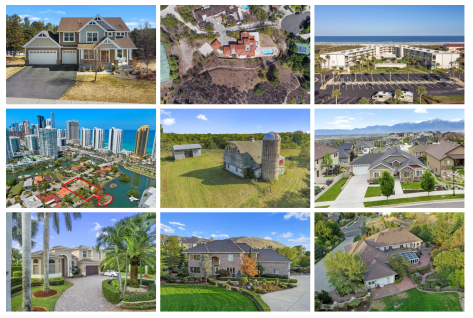
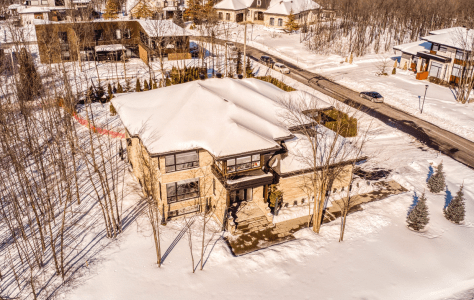
Buyers want to see the big picture. They want a bird’s eye view and to take it all in. Grab their attention by showing the property’s unique features, location, and surrounding hot spots.
Contact us below to set up a drone shoot or email us directly at tourdesignmedia@gmail.com.
Using a drone for real estate photography in winter can produce stunning, unique visuals—clear air, snow-covered landscapes, and crisp lighting can make properties look magical. However, cold temperatures introduce challenges that require extra planning and care to ensure safe and effective flights. One of the biggest concerns is battery performance: lithium-polymer (LiPo) drone batteries drain faster in cold weather, which means shorter flight times and a higher risk of sudden power loss. Pilots should keep batteries warm before flight—using an inside pocket, thermal bag, or a battery heater—and avoid taking off with batteries that are below their optimal operating temperature.
Winter conditions also affect the drone’s aerodynamics and sensors. Snow, ice, and condensation can interfere with obstacle-avoidance cameras and compass accuracy, so it’s important to perform thorough pre-flight checks and ensure the drone is dry and clear of debris. The denser cold air can actually improve lift, but wind gusts are often stronger in winter, meaning you’ll need to monitor weather forecasts closely and keep manual control skills sharp. If flying near a property with trees, rooftop edges, or power lines, give yourself extra buffer space since depth perception can be trickier against snowy, low-contrast backgrounds.
For real estate photography specifically, winter brings both aesthetic advantages and creative considerations. Snow can brighten scenes and provide clean lines that make architecture stand out, but it can also confuse the drone’s metering system, leading to overexposed images. Using manual exposure settings or bracketing can help capture detail in both the snow and the property. Low winter sun also creates dramatic shadows, so planning shoots around the best light—often midday rather than golden hour—can ensure the home is presented clearly and attractively.
Finally, think about safety and practical workflow. Keep your hands warm so you maintain precise control, bring a landing pad to avoid snow ingestion in the motors, and plan shorter, controlled flights rather than long exploratory ones. With the right preparation, winter drone operations can elevate real estate listings with breathtaking visuals while keeping your equipment—and your fingers—safe.
Thanks for stopping by and please let me know if we can help in any way. Drones have become an important tool in our camera bags, from homes to properties, golf courses to roof & gutter inspections, and last construction progress images. No matter the season, our drones will fly.









 Servicing Eastern PA, NJ, and DE since 1998.